
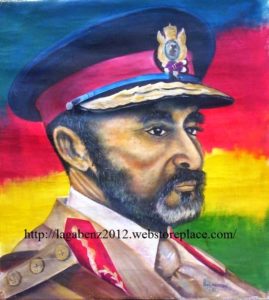
Emperor Haile Selassie was one of the most influential African leaders of the 20th century and a figure of enormous historical and spiritual importance to the Rastafari movement. He served as Emperor of Ethiopia from 1930 until 1974 and became internationally known for defending Ethiopian sovereignty, supporting African unity and representing Ethiopia on the world stage.
His connection with Jamaica became especially significant after his historic state visit in April 1966, an event that remains deeply important in Jamaican and Rastafari history.
Who Was Emperor Haile Selassie?
Haile Selassie was born Tafari Makonnen on July 23, 1892, in Ethiopia. Before becoming emperor, he held several important positions and was known as Ras Tafari Makonnen.
He was crowned Emperor of Ethiopia on November 2, 1930. His reign included efforts to modernize Ethiopia’s government and institutions, periods of major international conflict, and Ethiopia’s struggle against the Italian invasion of the 1930s.
Haile Selassie was forced into exile during the Italian occupation but returned to Ethiopia in 1941. He remained emperor until he was deposed following the 1974 Ethiopian revolution.
Emperor Haile Selassie and African Unity
Emperor Haile Selassie became an important figure in Pan-African and African diplomatic history. In 1963, Ethiopia’s capital, Addis Ababa, hosted the establishment of the Organization of African Unity, the predecessor of today’s African Union.
His involvement in African diplomacy, opposition to colonial domination and advocacy for cooperation among African nations contributed to his international reputation.
Why Is Emperor Haile Selassie Important to Rastafari?
The Rastafari movement emerged in Jamaica during the 1930s, around the period of Haile Selassie’s coronation. His pre-coronation name, Ras Tafari, became the name associated with the movement.
Many Rastafari regard Emperor Haile Selassie as a sacred or divine figure. Beliefs and interpretations vary among Rastafari traditions, so these views are best understood within their religious and cultural context.
Titles associated with Haile Selassie, including the Lion of Judah and King of Kings, became deeply significant within Rastafari spirituality, culture and music.
Emperor Haile Selassie’s Historic Visit to Jamaica
One of the most important connections between Haile Selassie and Jamaica occurred on April 21, 1966, when the Ethiopian emperor arrived in Jamaica for a historic state visit.
According to the Jamaica Information Service, more than 100,000 Jamaicans and members of the Rastafari community gathered to welcome him. The enormous reception demonstrated how important he had become to Rastafari and to many Jamaicans interested in African identity and heritage.
During his visit, Haile Selassie met Jamaican officials and members of the Rastafari community. He also spoke about the historical and cultural bonds connecting African and Jamaican people.
The visit helped bring greater public attention to Rastafari in Jamaica. The Jamaica Information Service has described the event as an important moment in the movement’s development and its growing recognition within Jamaican society.
What Is Groundation Day?
April 21 is commemorated by many Rastafari as Groundation Day, marking Emperor Haile Selassie’s arrival in Jamaica on April 21, 1966.
The anniversary is remembered through gatherings, music, drumming, spiritual observances and discussions about Rastafari history, African identity and Haile Selassie’s legacy.
Was Haile Selassie a Christian?
Haile Selassie publicly identified with Ethiopian Orthodox Christianity. At the same time, many Rastafari developed religious interpretations of his identity and significance that differed from his own publicly stated Christian faith.
Understanding this distinction is important when discussing Haile Selassie: his documented religious identity and the beliefs held about him within Rastafari are related parts of the history, but they are not the same claim.
Are All Jamaicans Rastafarians?
No. Rastafari originated in Jamaica and has had a major influence on Jamaican culture, music, language and international identity, but Jamaicans follow many different religions and belief systems.
Rastafari is an important part of Jamaica’s cultural and religious history, but it should not be used as a label for all Jamaican people.
Emperor Haile Selassie’s Legacy in Jamaica
The relationship between Emperor Haile Selassie, Jamaica and Rastafari extends far beyond his three-day state visit in 1966.
His image, speeches and historical legacy became important influences in Rastafari culture and reggae music. The movement itself subsequently became internationally recognized, carrying elements of Jamaican culture and Pan-African thought around the world.
Jamaica continues to commemorate the historic visit. In 2016, Haile Selassie’s grandson, Prince Ermias Sahle-Selassie, visited Jamaica for events marking the 50th anniversary of his grandfather’s 1966 state visit.
Learn More About Haile Selassie and Jamaica
For additional historical information about the 1966 visit and its importance to Jamaican culture, read the Jamaica Information Service history of Rastafari, reggae and Haile Selassie’s visit.
You can also explore more Jamaican history, culture and related content throughout Troy Rhoden Webstore.
Frequently Asked Questions
When did Emperor Haile Selassie visit Jamaica?
Emperor Haile Selassie arrived in Jamaica on April 21, 1966, for a three-day state visit. The date is commemorated by many Rastafari as Groundation Day.
Why is Haile Selassie important to Rastafari?
Many Rastafari regard Haile Selassie as a sacred or divine figure. His 1930 coronation, African identity and imperial titles became central to the development of Rastafari beliefs in Jamaica.
Was Haile Selassie Ethiopian?
Yes. Haile Selassie was born in Ethiopia and served as Emperor of Ethiopia from 1930 until 1974, apart from the period of Italian occupation when he lived in exile.
Are all Jamaicans Rastafari?
No. Rastafari originated in Jamaica and has significantly influenced Jamaican culture, but Jamaica includes people from many religions and belief systems.
Final Thoughts
Emperor Haile Selassie occupies an unusual place where Ethiopian history, African political history and Jamaican Rastafari culture intersect. His leadership in Ethiopia established his historical importance, while the Rastafari movement gave his name and image additional religious and cultural significance around the world.
For Jamaica, his arrival on April 21, 1966 remains one of the defining moments in the history of Rastafari and is still commemorated generations later.


